

Introduction
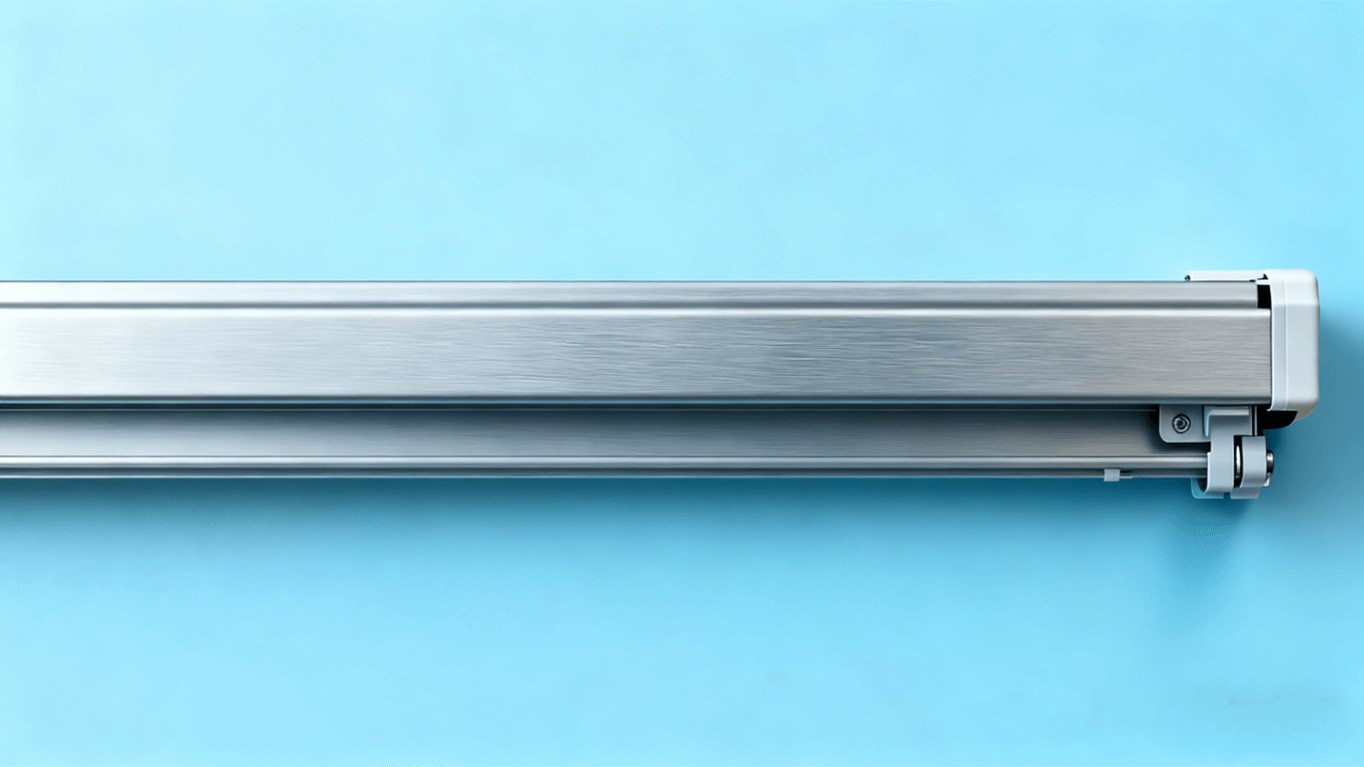
Aluminium curtain tracks are increasingly preferred in modern interior design. Their combination of strength, flexibility, and aesthetic appeal makes them suitable for a wide range of applications. This guide highlights why aluminium tracks are a practical choice for both commercial and residential spaces.
Types and Applications
Aluminium curtain tracks offer long-lasting performance due to corrosion-resistant alloy construction. They maintain shape and function under heavy use, making them suitable for long spans and large windows. Compared to PVC, aluminium is stronger, more stable, and able to handle heavier curtains.
Durability and Strength
Aluminium curtain tracks offer long-lasting performance due to corrosion-resistant alloy construction. They maintain shape and function under heavy use, making them suitable for long spans and large windows. Compared to PVC, aluminium is stronger, more stable, and able to handle heavier curtains.
Materials and Benefits
High-quality aluminium alloy ensures corrosion resistance and longevity. Tracks often feature anodized surfaces for added protection and a clean, professional look. Compared to steel or PVC alternatives, aluminium provides excellent strength-to-weight ratio, making it easier to handle during installation and reducing structural load.
Maintenance and Longevity
Aluminium curtain tracks require minimal maintenance. Regular cleaning and lubrication of gliders keep them operating silently. Their resistance to rust and wear makes them ideal for high-traffic environments such as hospitals and hotels.
Conclusion
Choosing aluminium curtain tracks guarantees durability, smooth operation, and flexibility for any project. For designers and project managers, understanding these tracks ensures efficient and reliable window treatment solutions.